CBSE: What It Is, How It Works, and Why It Matters for Indian Students
When you hear CBSE, the Central Board of Secondary Education, India’s largest school board that governs curriculum and exams for over 20,000 schools. Also known as CBSE board, it’s the system most students in India grow up with—whether they’re in Delhi, Lucknow, or Hamirpur. Unlike state boards that vary by region, CBSE follows a single national syllabus. That means a student in Kerala takes the same paper as one in Punjab. It’s designed for fairness, consistency, and easy transfer between schools—especially useful for families who move often.
CBSE isn’t just about school exams. It’s the gateway to major competitive tests like JEE Main, the entrance exam for engineering colleges across India, including NITs and IIITs, and NEET, the national medical entrance test. Most coaching centers build their entire curriculum around CBSE’s structure because the board’s emphasis on theory, NCERT-based questions, and standardized marking makes it predictable. If you’re aiming for IITs or medical colleges, mastering CBSE material isn’t optional—it’s the foundation.
Uttar Pradesh has the most CBSE schools in India—over 7,200—because it’s the most populous state and CBSE offers a clear path to national-level exams. But it’s not just about numbers. CBSE schools are often preferred by parents who want their kids to compete on a national stage. The board also updates its syllabus regularly to align with industry needs, which is why subjects like AI and data science are now part of the curriculum in higher grades. And while some argue that CBSE is too exam-focused, the truth is, it’s the most transparent system in India. You know exactly what to study, how it’s marked, and what the pattern looks like—no surprises.
What you’ll find below are real, practical answers to the questions students actually ask: Is the CBSE paper the same all over India? Why do so many JEE toppers come from CBSE schools? Which books actually work for CBSE students? You’ll also see which states have the most CBSE schools, how the board compares to international curricula like IB or A-Levels, and what happens after Class 12 if you’re on the CBSE track. This isn’t theory. It’s what’s working for real students right now.
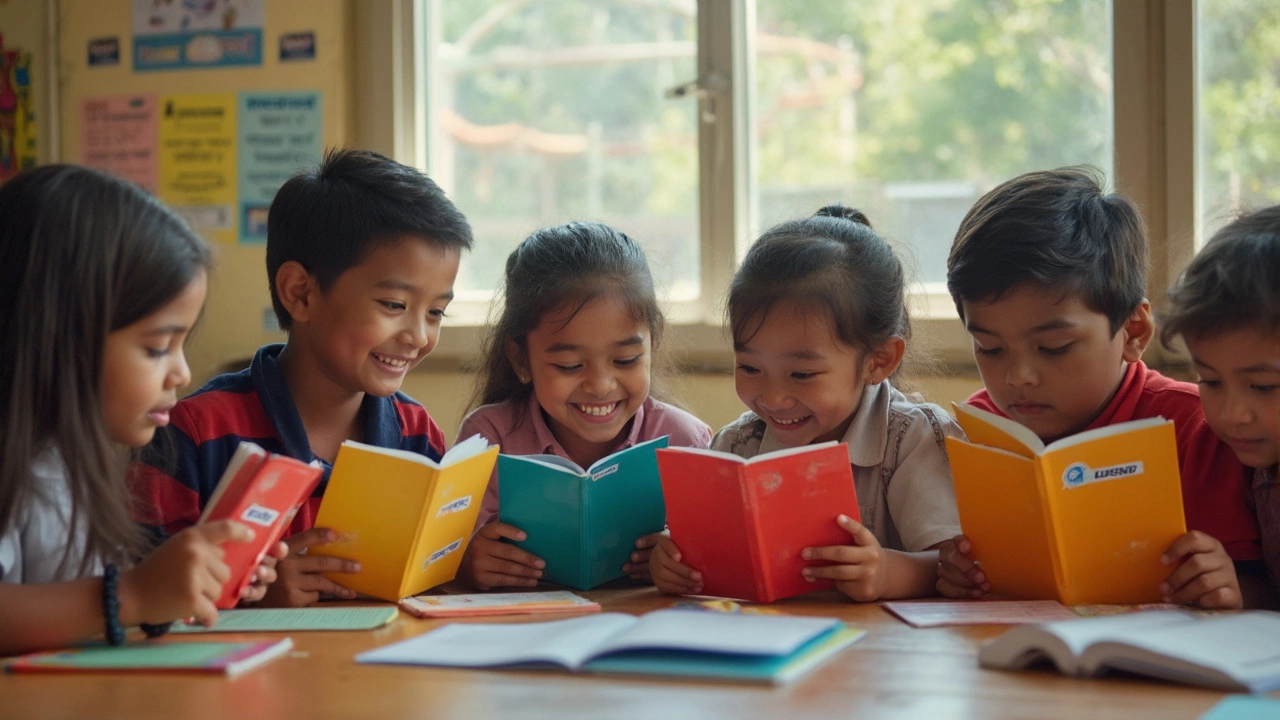
Why is CBSE Preferred? The Real Reasons Behind the Popular Choice
Curious why so many parents and students go for the CBSE syllabus? This article gets into the main reasons why CBSE is such a popular pick, from its smooth and balanced curriculum to its edge in national-level exams. You'll find tips, interesting facts, and things to watch for if you're trying to decide on the right board for your child. Expect a practical guide, not just another sales pitch. We'll also share what really stands out about the CBSE approach compared to others.
view more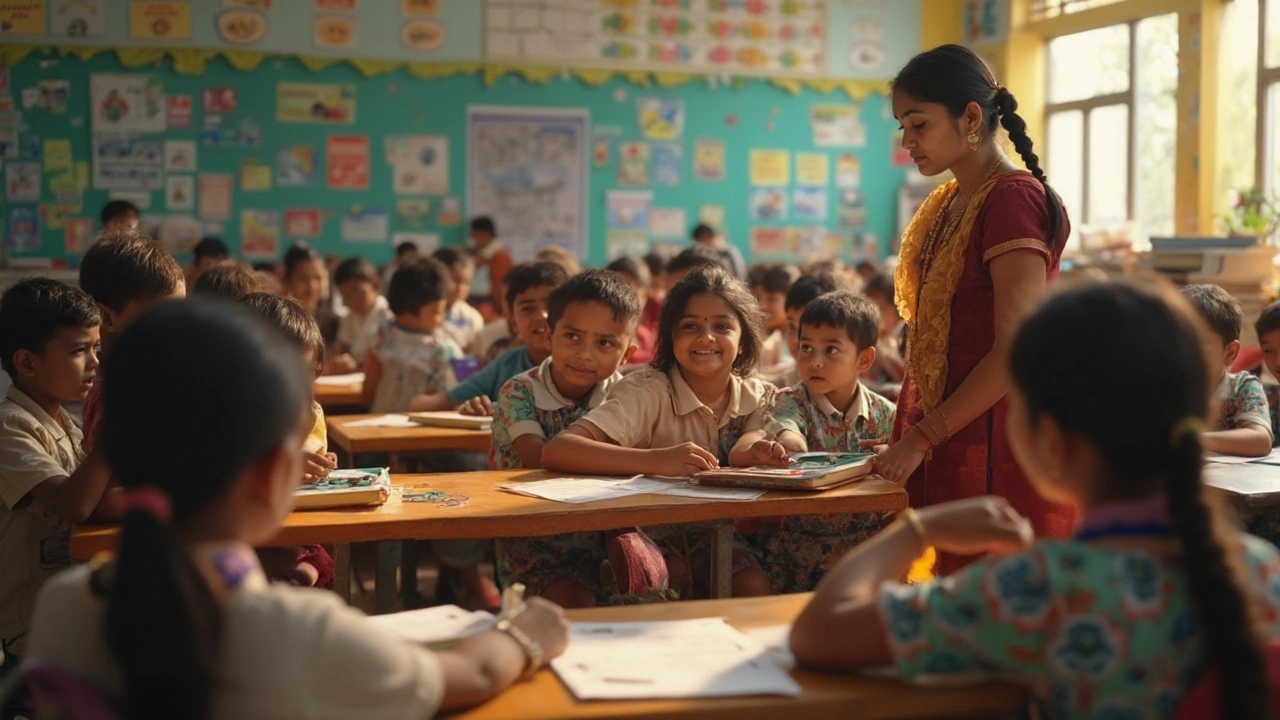
Best Board Choice in India: Unraveling the CBSE Advantage
Choosing the right educational board in India is a critical decision for students and parents alike. While many options exist, the CBSE board stands out with its comprehensive curriculum and widespread recognition. This article explores why CBSE could be the best choice, highlighting its benefits, structure, and global reach. With the right tips and facts, we aim to guide you toward making an informed decision.
view more
India's Top State for CBSE Education: Who Leads the Pack?
Exploring which Indian state stands out for its education system focusing on the CBSE syllabus. With so many states vying for the top spot, we'll dive into academic performance, available facilities, and student feedback. Discover some intriguing facts and actionable tips for parents and students when choosing a state for education. Stay informed with the latest insights into India's diverse educational landscape.
view more