Education Boards in India: CBSE, ICSE, State Boards and What They Mean for Students
When you hear education boards, government-approved bodies that design curricula, set exams, and certify school-level learning in India. Also known as school boards, they control what students learn, how they’re tested, and even which colleges they can enter. These aren’t just administrative units—they’re the hidden architects of your child’s academic future.
The three biggest players are CBSE, the Central Board of Secondary Education, which runs exams for over 20,000 schools across India and abroad, ICSE, the Indian Certificate of Secondary Education, known for its detailed syllabus and emphasis on English and critical thinking, and dozens of state boards, regional authorities like HPBOSE in Himachal Pradesh that tailor content to local languages and needs. CBSE dominates because its syllabus aligns with national entrance exams like JEE and NEET—making it the go-to for families aiming for engineering or medical careers. ICSE gives students a broader foundation, often preferred by those targeting international universities. State boards vary wildly: some are easier, some are tougher, but they all serve their local communities.
What does this mean for you? If you’re in Himachal Pradesh, your school might be under HPBOSE, but if your goal is IIT or AIIMS, you’re likely studying CBSE material anyway. Many parents switch boards after Class 8 just to get that edge. And yes—CBSE papers are the same in Delhi and Dharamshala, which is why so many students here focus on CBSE resources even if they’re enrolled in a state-board school. It’s not about loyalty to the board—it’s about strategy.
There’s no single ‘best’ board. It depends on your goals. Want to study abroad? ICSE or CBSE might give you more recognition. Planning to take JEE? CBSE is your shortcut. Looking for a less stressful path? Some state boards offer lighter workloads. But here’s the catch: no matter which board you’re on, the real game-changer is how you use the resources around you. That’s why the posts below cover everything from the exact books to use for JEE (hint: NCERT isn’t optional), to how eLearning stages can turn passive studying into real mastery, to why having the right board doesn’t matter if you don’t know how to study smart.
Below, you’ll find real stories, data-backed advice, and clear comparisons—all focused on helping you cut through the noise. Whether you’re choosing a board, prepping for an exam, or wondering if your child’s school is giving them the right tools, the answers are here—no fluff, no sales pitches, just what works.
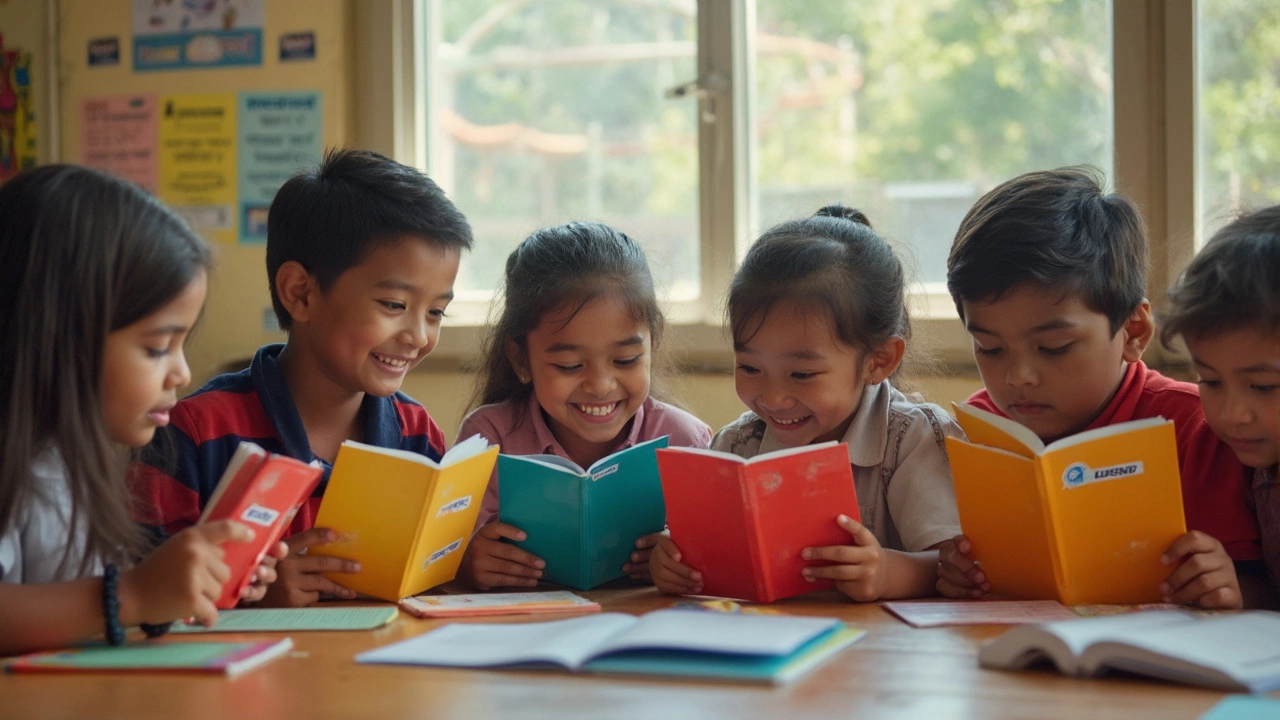
Why is CBSE Preferred? The Real Reasons Behind the Popular Choice
Curious why so many parents and students go for the CBSE syllabus? This article gets into the main reasons why CBSE is such a popular pick, from its smooth and balanced curriculum to its edge in national-level exams. You'll find tips, interesting facts, and things to watch for if you're trying to decide on the right board for your child. Expect a practical guide, not just another sales pitch. We'll also share what really stands out about the CBSE approach compared to others.
view more