Flexible Learning: How Modern Education Adapts to Your Life
When you think of school, you probably picture classrooms, bells, and fixed schedules. But flexible learning, a learner-centered approach that removes rigid time and location barriers. Also known as self-paced education, it lets you control when, where, and how you learn—whether you're working full-time, raising kids, or just need to move at your own speed. This isn’t just about watching videos online. It’s a complete shift in how education is built, delivered, and experienced.
Flexible learning isn’t one thing. It includes eLearning, structured online education that follows a clear curriculum and often includes assessments, online degrees, fully accredited programs you can complete remotely, sometimes in under two years, and even self-paced study, learning through free resources, apps, or personal projects without formal enrollment. These aren’t just alternatives—they’re becoming the default for millions. You don’t need to quit your job to earn a certificate. You don’t need to move to a new city to take a college course. You don’t even need to wait for the semester to start. That’s the power of flexible learning.
It’s not magic. It works because it matches real life. People who juggle work, family, and study need options. That’s why platforms offering flexible learning are growing fast. You’ll find courses built around your schedule, not the other way around. You’ll find learners who failed traditional school and succeeded online. You’ll find professionals upgrading skills without taking a day off. The posts below show you exactly how this works—from the four stages of eLearning that make online courses stick, to how fast online degrees can actually get you hired, to why some students skip coaching centers entirely and still ace JEE or NEET. There’s no one-size-fits-all path anymore. The system is changing. And if you’re looking for a way to learn without being trapped by time or location, you’re in the right place.
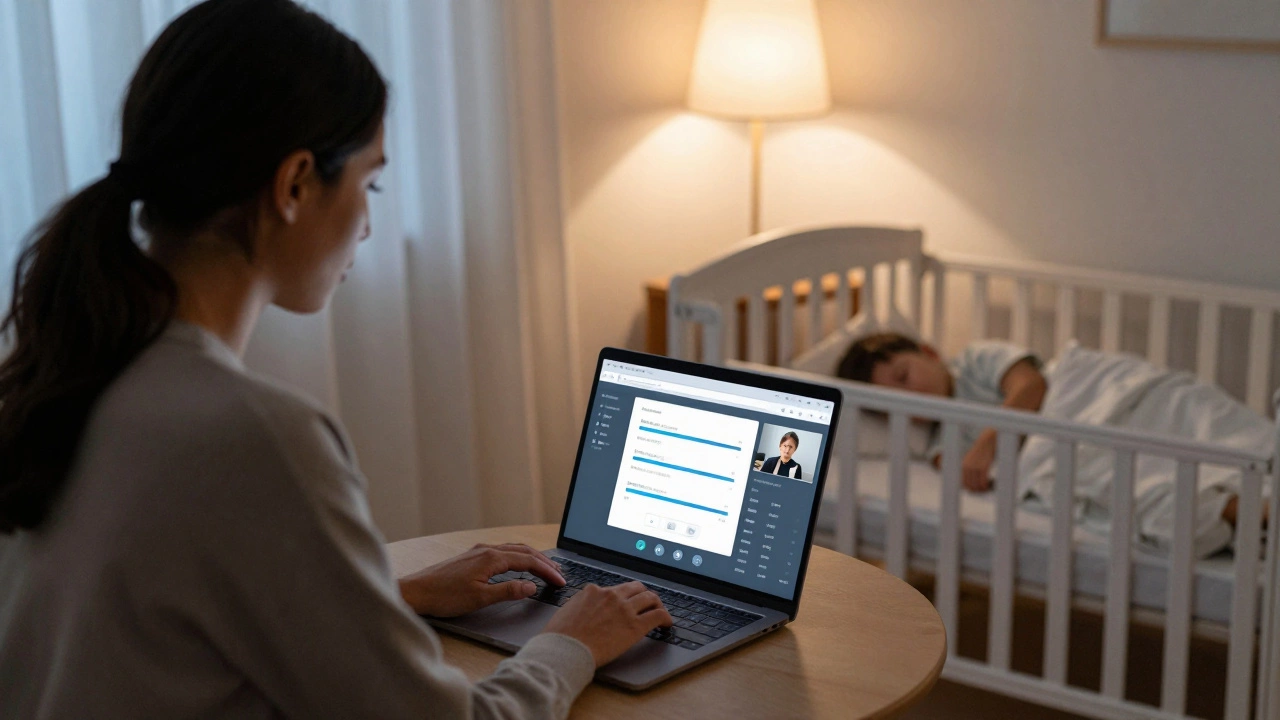
Why Distance Learning Is Better for Modern Learners
Distance learning offers flexibility, affordability, and access to top educators without the constraints of traditional education. It's not just a trend-it's the smarter way to learn for modern life.
view more
Navigating the Simplest Degrees in Online Learning
Choosing an easy degree online is subjective, but many find courses in areas like communications and liberal arts to be less challenging. These programs often offer flexible schedules, allowing students to balance other commitments. When considering ease, it's important to assess your interests and strengths. Online education provides an opportunity to tailor your learning experience, making it easier to achieve your academic goals.
view more