Distance Learning Cost Comparison Tool
Calculate Your Savings
See how much you could save with distance learning compared to traditional education.
Your Traditional Education Costs
Distance Learning Costs
Distance learning isn’t just a backup plan anymore. It’s the default choice for millions of students, working parents, career switchers, and lifelong learners around the world. And it’s not because schools forced it during the pandemic. It’s because it actually works better-for real people, in real life.
It fits your life, not the other way around
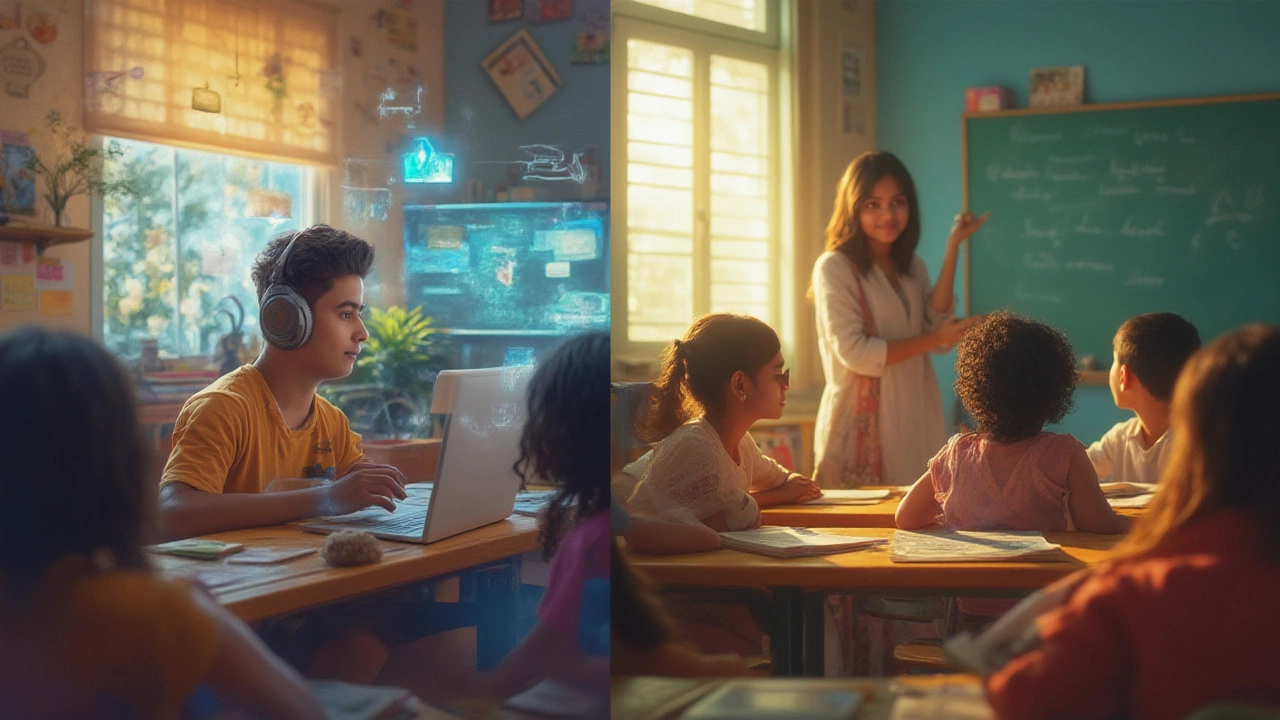
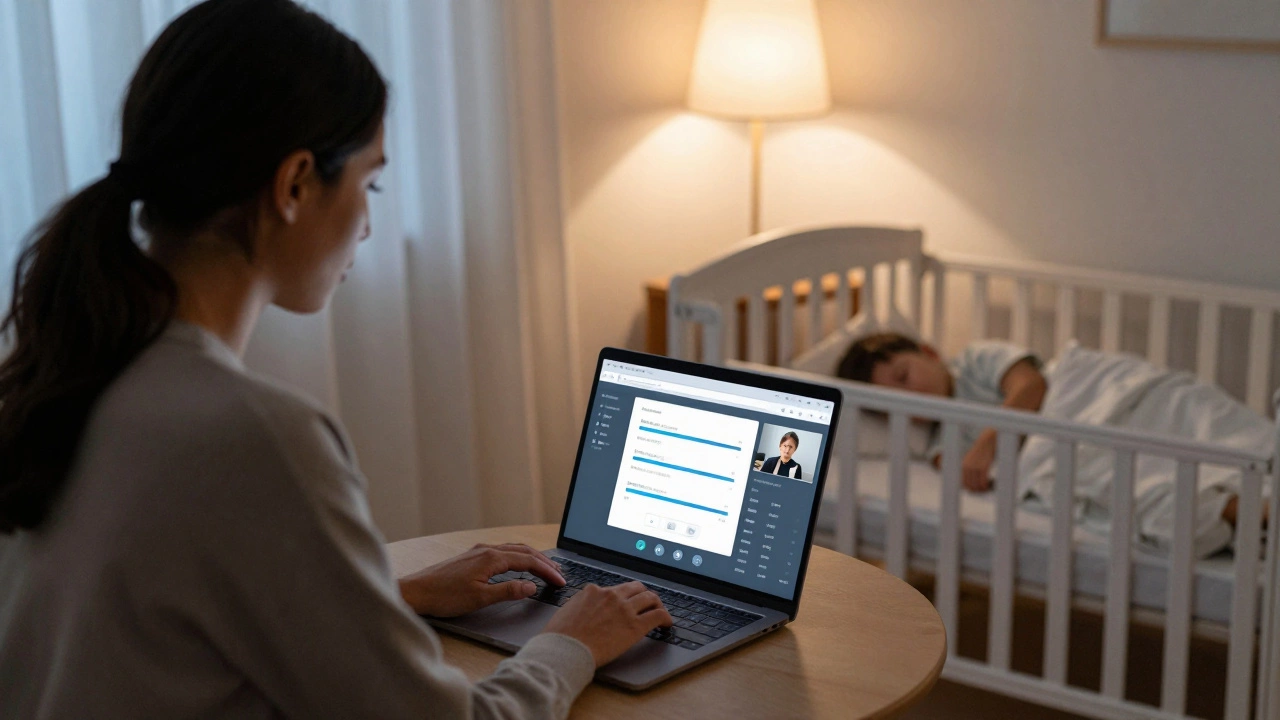
Traditional school schedules were built for 18-year-olds living at home with no job, no kids, and no commute. What happens when you’re 32, working nights, and need to pick up your kid from daycare? You can’t show up at 8 a.m. for a lecture. Distance learning removes that barrier. You watch the video at 10 p.m. after the kids are asleep. You finish the quiz during your lunch break. You study while waiting for your turn at the doctor’s office. There’s no rigid timetable. You control the clock.
A 2025 survey of 12,000 adult learners found that 78% chose online programs specifically because they could study around their existing responsibilities. That’s not convenience-it’s survival. For people juggling multiple roles, flexibility isn’t a perk. It’s the only way to keep learning.
You learn at your own speed
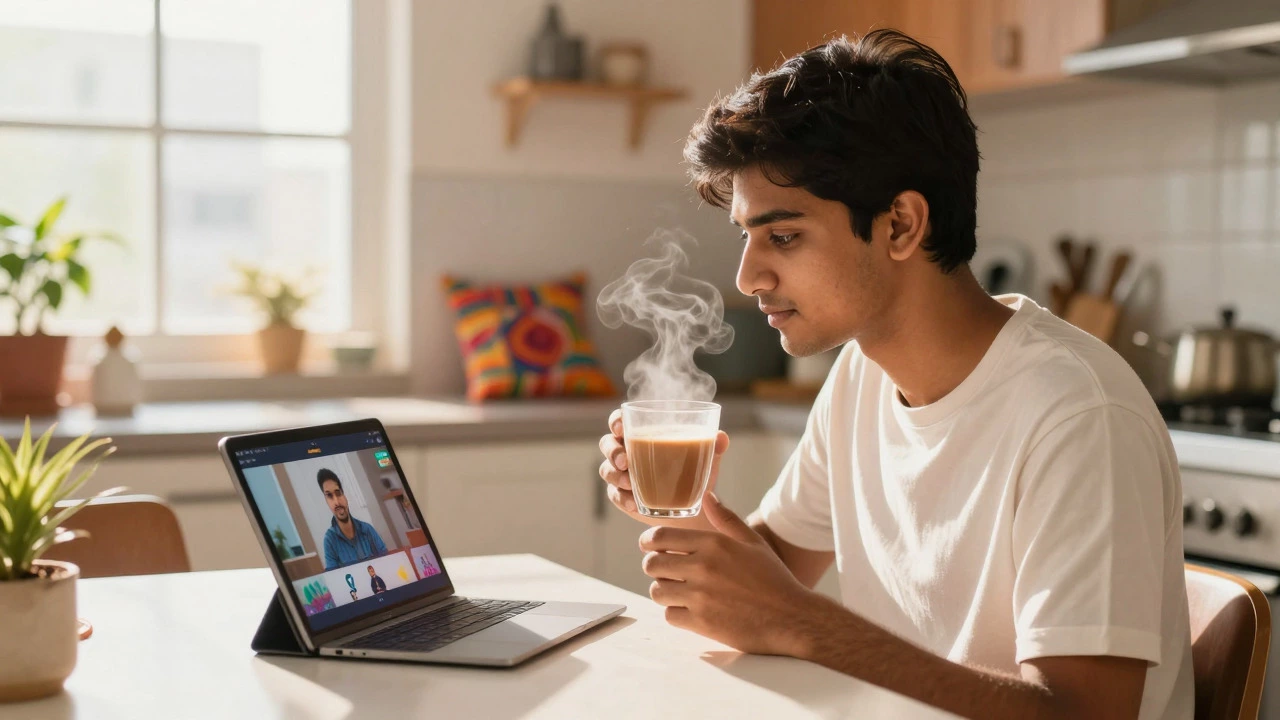
Ever sat in a classroom while the teacher rushed through material you didn’t understand? Or worse-waited weeks for the class to catch up so you could move forward? Distance learning fixes that. Most platforms let you pause, rewind, and replay lectures. You can spend three hours on a tough concept or skip ahead if you already get it. No one’s holding you back. No one’s dragging you along.
Platforms like Coursera and edX track how long learners spend on each module. Data shows that students who self-pace complete courses 30% faster than those in fixed-schedule programs. Why? Because they’re not wasting time on things they already know. They’re focusing on what they need to learn.
Access to better teachers and resources
Before distance learning, your education was limited by geography. If you lived in a small town with no advanced math teacher, you were stuck. Now, you can learn calculus from a professor at MIT. You can take a Python course taught by a lead engineer from Google. You can watch lectures from Nobel laureates, recorded in studios with professional lighting and editing.
Top universities now offer full degree programs online. Stanford, Harvard, and the University of London all have accredited distance degrees. These aren’t watered-down versions. They’re the same syllabus, same exams, same professors. The only difference? You don’t have to move to Cambridge to get them.
It’s cheaper-no hidden costs
Traditional college comes with a long list of extra fees: housing, meal plans, parking passes, lab fees, textbooks, campus transportation. Distance learning strips those away. You pay for the course. That’s it.
For example, an online MBA from Arizona State University costs about $30,000. A similar on-campus program? Over $70,000. The difference isn’t just tuition. It’s the $1,200/month rent you don’t pay. The $300/month groceries you don’t need to buy on campus. The $200 you save on gas or public transit each month. Over two years, that adds up to more than $40,000 in savings.
Textbooks are often digital and free or included. No more buying $200 books that get resold for $20 after the semester ends.
You build real-world skills
Online learning doesn’t just teach you content. It teaches you how to learn in the modern world. You manage your time. You stay motivated without someone watching you. You use digital tools-video conferencing, collaboration platforms, project trackers-that every job now expects.
Employers notice this. A 2024 LinkedIn report found that hiring managers rated online learners 22% higher on self-discipline and time management than traditional graduates. Why? Because finishing an online course without a professor chasing you down proves you can deliver on your own.
Think about it: if you can complete a six-month coding bootcamp while holding a full-time job, you’ve already shown you can handle pressure, prioritize tasks, and stay focused. That’s more valuable than any grade.
More support than you think
People assume online learning is lonely. But it’s often the opposite. Discussion boards are active 24/7. Study groups form on Slack and Discord. You get feedback from peers in different time zones, bringing diverse perspectives. Instructors respond to questions within hours, not days.
Many platforms now offer live Q&A sessions, one-on-one tutoring, and even AI-powered study assistants that adapt to your progress. At Udacity, learners have access to career coaches who review their portfolios and help them prepare for job interviews. That kind of personalized support used to cost thousands in private coaching.
It’s scalable for everyone
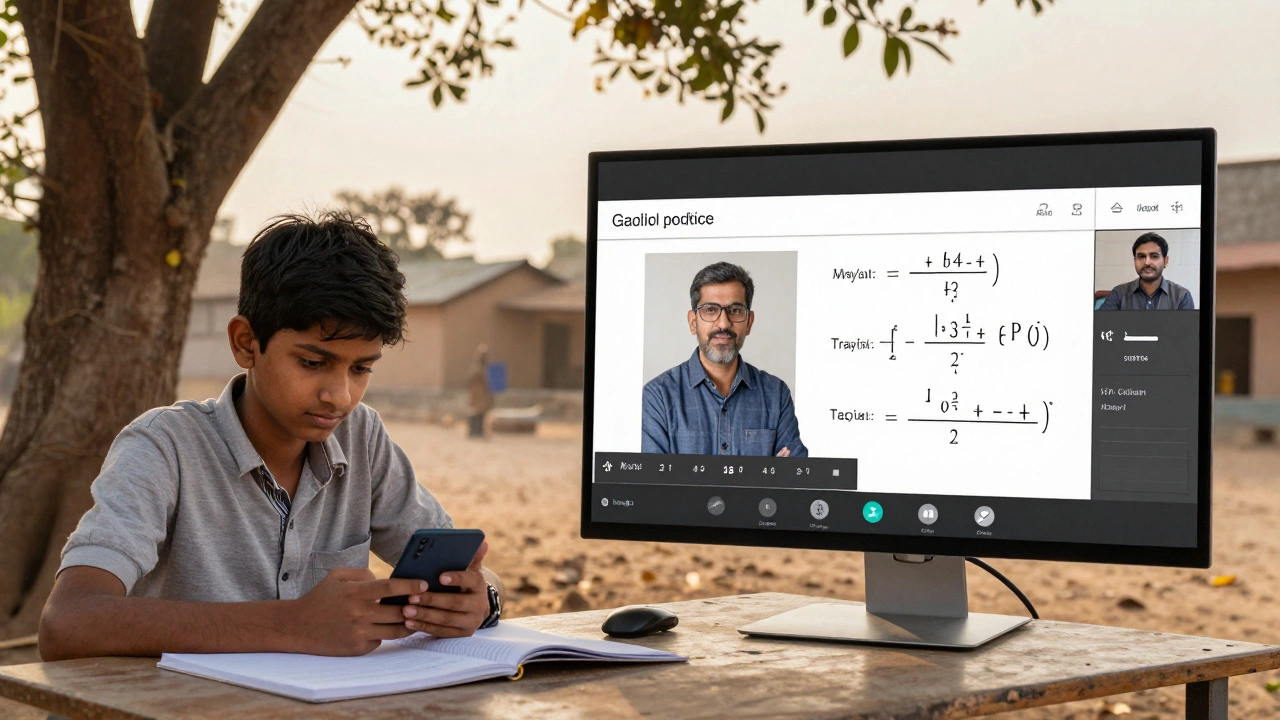
Distance learning doesn’t depend on physical space. A single course can serve 10,000 students or 10. That means more people get access-especially in places with underfunded schools or limited teachers. In rural India, a student in Bihar can take the same physics course as a kid in Mumbai. In Nigeria, someone without a nearby university can earn a certificate from a U.S. institution.
Government programs in Brazil, South Africa, and Indonesia now use distance learning to reach millions of students who would otherwise drop out. It’s not just about convenience. It’s about equity.
It’s not perfect-but it’s better
Yes, distance learning requires discipline. Yes, some people miss the campus vibe. Yes, labs and hands-on training still need in-person options for certain fields like nursing or engineering.
But here’s the thing: no education model is perfect. The question isn’t whether distance learning is flawless. It’s whether it’s better than the alternative for your life. For most people today, the answer is yes.
It’s not about replacing classrooms. It’s about giving people options. Options to learn without quitting their jobs. Options to study without moving across the country. Options to grow without going into debt.
Distance learning isn’t just convenient. It’s the most realistic path to education in a world that doesn’t stop for anyone.
Is distance learning as respected as traditional degrees?
Yes, if it’s from an accredited institution. Employers no longer distinguish between online and on-campus degrees from reputable schools. A 2025 survey by the National Association of Colleges and Employers found that 83% of hiring managers view online degrees from accredited universities as equally valid. What matters is the school’s reputation and your ability to demonstrate skills-not how you earned the credential.
Can I get financial aid for online courses?
Absolutely. In the U.S., federal student aid (FAFSA) covers accredited online degree programs. Many countries offer similar grants and loans. Even non-degree courses on platforms like Coursera and edX often have payment plans, scholarships, or income-share agreements. Some employers even pay for online certifications as part of professional development.
Do I need high-speed internet to learn online?
Not always. Many platforms offer low-bandwidth modes, downloadable videos, and text-based materials. If you have a smartphone and basic data, you can still access most content. For live classes, a stable connection helps-but even 4G works for recorded lectures. In areas with poor internet, offline apps and USB-based course kits are being rolled out by NGOs and governments.
How do I stay motivated without a classroom?
Set clear goals, create a routine, and join a study group. Break your course into weekly milestones. Use calendar alerts. Tell a friend your deadline. Many platforms send progress reminders and celebrate small wins. The key is treating it like a job-not a hobby. The structure you build becomes your motivation.
Are online exams trustworthy?
Yes. Most accredited programs use proctored exams via webcam, AI monitoring, or timed assessments with randomized questions. Some require in-person final exams at local testing centers. Cheating is harder online than in a crowded classroom because every action is logged. Institutions care about integrity-they’re protecting their reputation.