
Distance Education Suitability Checker
Distance Education Suitability Checker
Answer these questions to see if distance education is right for you.
Your Results
Distance education is a structured learning system where students and teachers are physically separated. Distance education is also known as distance learning or remote education. This method has been around since the 1800s, starting with correspondence courses sent by mail.
A Brief History of Distance Education
Distance education started long before the internet. In 1858, the University of London began offering correspondence courses via mail. Students received printed materials and sent assignments back by post. By the 1920s, radio broadcasts were used for educational programs. Television came into play in the 1950s and 60s, with shows like Correspondence School on PBS.
Then came the internet in the 1990s. Institutions like the Open University in the UK started using online platforms. Today, platforms like Coursera and edX offer massive open online courses (MOOCs), making education accessible globally. Over 12 million U.S. students are enrolled in distance education programs as of 2025, according to the U.S. Department of Education.
How Distance Education Works Today
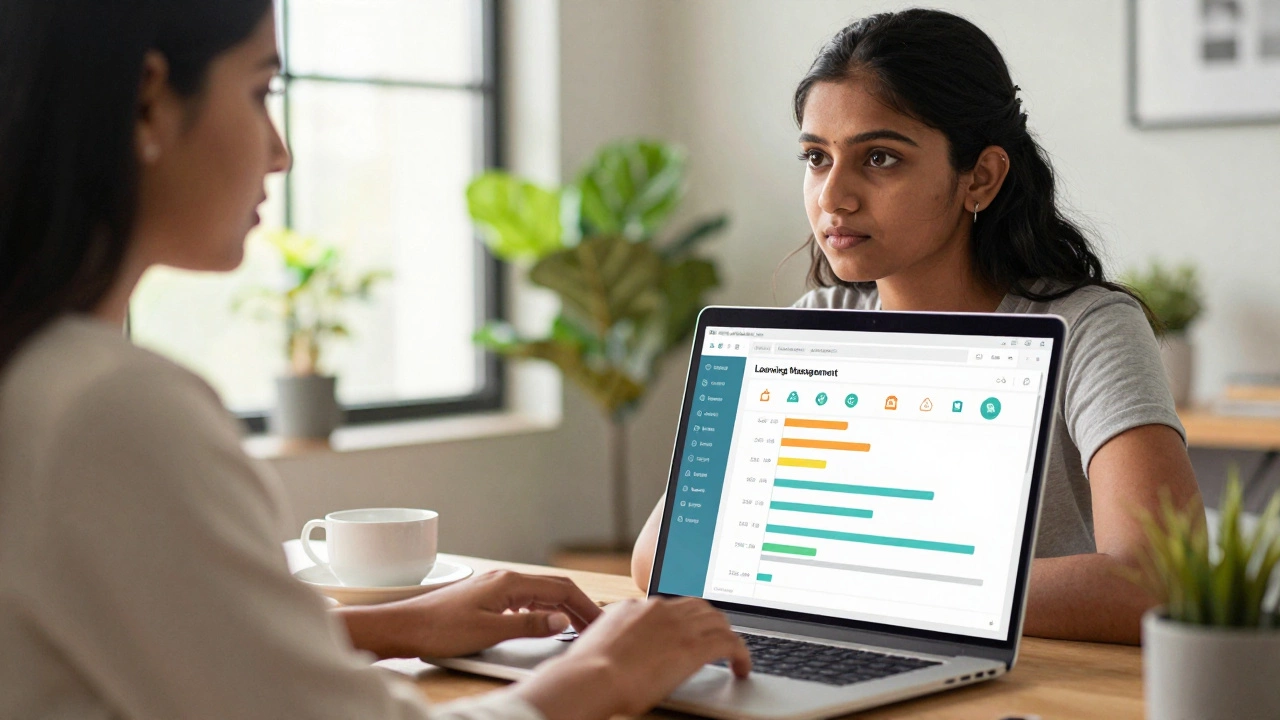
Modern distance education uses several key technologies. Learning Management Systems (LMS) like Moodle or Canvas host course materials, assignments, and grades. Students log in to access lectures, discussion boards, and resources. Video conferencing tools like Zoom or Microsoft Teams enable live virtual classes. For asynchronous learning, recorded lectures and forums allow students to participate at their own pace.
For example, a student in India taking a course from a U.S. university might watch recorded lectures, submit assignments through an LMS, and join live discussions during their local time. This flexibility is one reason distance education is popular worldwide.
Key Components of Distance Education
Several elements make distance education work effectively:
- Learning Management System (LMS): A platform for organizing course content, tracking progress, and facilitating communication. Examples include Blackboard, Canvas, and Moodle.
- Asynchronous Learning: Self-paced activities like recorded lectures, discussion boards, and email. Students engage without real-time interaction.
- Synchronous Learning: Real-time virtual classes using video conferencing. This includes live lectures, group discussions, and Q&A sessions.
- Virtual Classrooms: Digital spaces that mimic physical classrooms with interactive tools like whiteboards and breakout rooms.
- Communication Tools: Email, messaging apps, and forums for student-instructor and student-student interaction.
These components ensure that distance education is structured and interactive, even without physical presence.
Benefits of Distance Education
Distance education offers several advantages:
- Flexibility: Students can learn at their own pace and schedule. This is ideal for working professionals or those with family responsibilities.
- Accessibility: People in remote areas or with disabilities can access quality education without relocating.
- Cost Savings: No commuting or housing costs. Many programs are cheaper than traditional on-campus options.
- Wide Course Selection: Access to programs from institutions worldwide, even if they're not available locally.
- Self-Discipline Skills: Managing time and tasks independently builds valuable life skills.
For instance, a nurse in a rural area can earn a master's degree through distance education without leaving their job. This flexibility makes education possible for many who otherwise couldn't attend traditional classes.
Common Challenges in Distance Education
Despite its benefits, distance education has hurdles:
- Self-Discipline: Without a physical classroom, students need strong time management skills to stay on track.
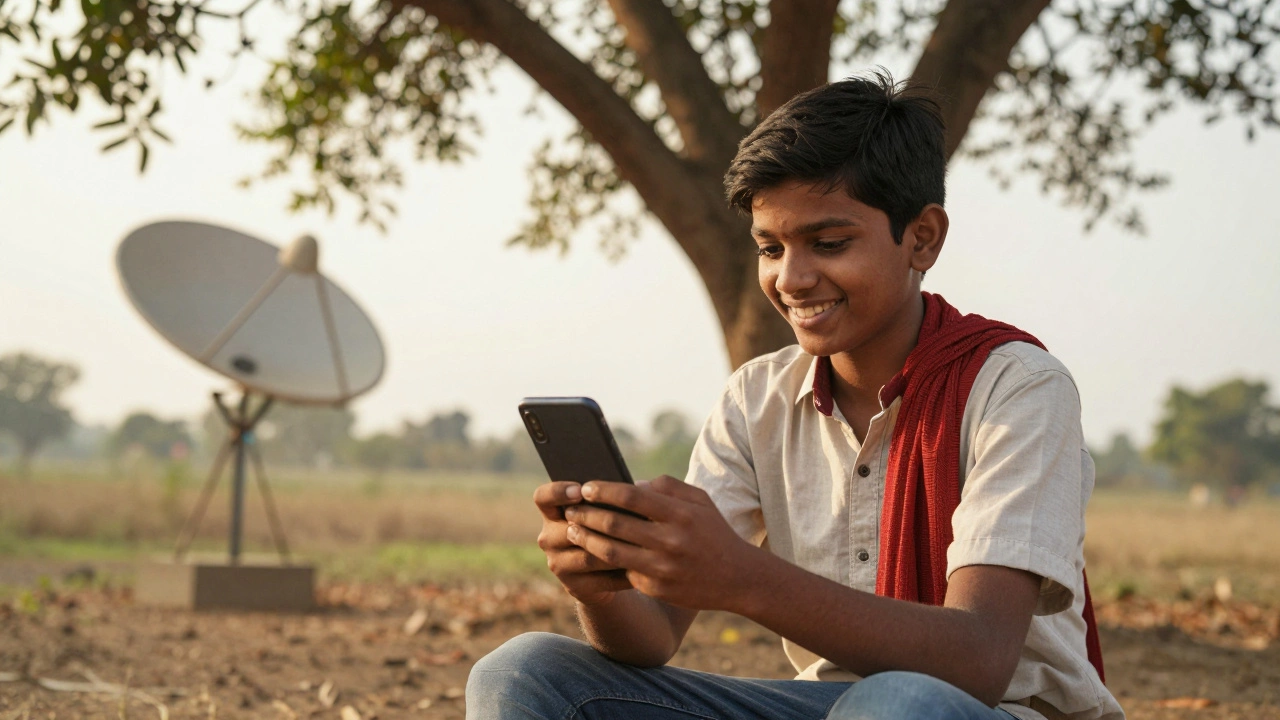
- Tech Access: Reliable internet and devices are essential. In low-income areas, this can be a barrier.
- Isolation: Lack of face-to-face interaction may lead to feelings of loneliness or disconnection.
- Hands-On Learning: Some fields, like lab-based sciences or clinical training, are harder to teach remotely.
- Accreditation Issues: Not all distance programs are accredited, which can affect degree recognition.
For example, a student in a developing country might struggle with slow internet, making live video lectures impossible. Institutions are addressing this by offering offline materials and low-bandwidth options.
Distance Education vs. Other Learning Models
It’s important to distinguish distance education from similar concepts:
- e-learning: This is a broader term covering all electronic learning, including in-person computer-based training. Distance education specifically refers to remote learning where students and teachers are separated geographically.
- Online Learning: Often used interchangeably with distance education, but technically, online learning can include hybrid models where some classes are in-person. True distance education is fully remote.
- Blended Learning: Combines in-person and online components. Distance education is purely online with no physical presence required.
For example, a university course that meets twice a week in person and uses online tools for homework is blended learning. A course entirely delivered via Coursera without any in-person meetings is distance education.
Frequently Asked Questions
What is the difference between distance education and online learning?
Distance education is a subset of online learning where students and instructors are physically separated. Online learning can include in-person computer-based training, but distance education specifically refers to fully remote instruction. For example, a corporate training session using a computer lab on-site is online learning but not distance education. However, a student taking a course from another country via Coursera is engaged in distance education.
Is distance education the same as remote learning?
Yes, distance education and remote learning are often used interchangeably. Both refer to education where students and teachers are not in the same physical location. The term "remote learning" became popular during the pandemic, but distance education has been around for much longer. The key is that learning happens without physical presence in a traditional classroom.
Can you earn a degree through distance education?
Absolutely. Many accredited universities offer fully online degrees through distance education. For example, the University of Florida offers over 100 online degrees. The key is to check if the institution and program are accredited. Accredited distance education degrees hold the same value as on-campus degrees for employment and further education.
What technologies are used in distance education?
Common technologies include Learning Management Systems (LMS) like Canvas or Moodle, video conferencing tools like Zoom, and communication platforms like email or Slack. For asynchronous learning, recorded lectures and discussion boards are used. Some programs also use virtual reality for simulations, especially in fields like medicine or engineering.
Is distance education right for me?
Distance education works best for self-motivated learners who can manage their time. If you need structure and regular in-person interaction, traditional classes might be better. However, if you have a busy schedule, live far from schools, or need flexibility, distance education could be ideal. Consider your learning style, tech access, and goals before choosing.