Distance Education Suitability & Cost Estimator
Determine if distance education fits your lifestyle and estimate potential savings compared to traditional on-campus study.
Your Profile
Cost Inputs
You don’t need a lecture hall to learn. You don’t even need to leave your house. In fact, millions of students around the world are getting degrees, certificates, and skills without ever setting foot on a traditional campus. This is distance education, which is a method of learning where students and instructors are separated by physical distance, using technology to bridge the gap. Also known as remote learning or online education, it has evolved from mail-order courses in the 19th century to high-speed video lectures and interactive digital platforms today.
If you’ve ever wondered how this actually works, or if you’re trying to decide whether an online degree holds the same weight as a traditional one, you’re not alone. The landscape of education changed dramatically over the last few years, forcing everyone-from high schoolers to corporate executives-to rethink how we acquire knowledge. Let’s break down what distance education really means, how it functions, and why it might be the right move for your career or personal growth.
The Core Concept: Separation Without Isolation
At its heart, distance education is about removing the barrier of location. In a traditional classroom, the teacher and student occupy the same space at the same time. In distance learning, that synchronization disappears. Instead, communication happens through Learning Management Systems (LMS), such as Moodle, Canvas, or Blackboard. These platforms serve as the virtual campus where you submit assignments, watch recorded lectures, take quizzes, and participate in discussion forums.
It’s important to distinguish between two main types of delivery:
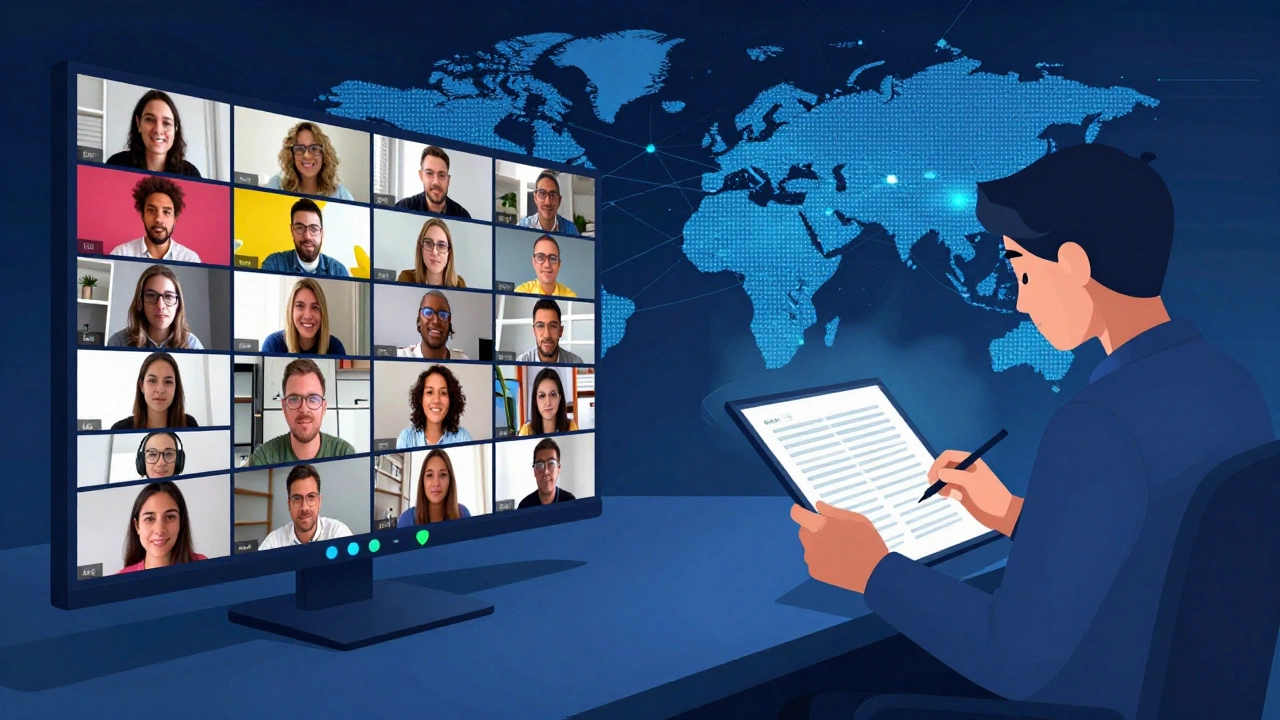
- Synchronous Learning: This happens in real-time. You join a live video session via Zoom or Microsoft Teams at a scheduled time. It feels like a regular class, just on a screen. You can ask questions instantly and interact with peers face-to-face (virtually).
- Asynchronous Learning: This is self-paced. You watch pre-recorded videos, read materials, and complete tasks within a set deadline but on your own schedule. This offers maximum flexibility, allowing you to study at 2 AM or during your lunch break.
Most modern programs use a hybrid approach, mixing both methods to keep students engaged while respecting their busy schedules.
How Does It Actually Work?
Imagine you want to get a certification in Project Management. Here is what the journey looks like in a distance education model:
- Enrollment: You sign up online. There’s no orientation day in a crowded auditorium. Instead, you receive login credentials for the course portal.
- Content Delivery: Each week, new modules unlock. These might include video lectures from industry experts, PDF readings, and interactive simulations.
- Interaction: You post thoughts on a discussion board. Your instructor replies, perhaps adding resources or clarifying concepts. You might also work in small groups via Slack or Discord to tackle case studies.
- Assessment: Quizzes are automated and graded instantly. Larger projects are submitted digitally. Proctoring software may monitor your exam to ensure integrity.
- Completion: Upon passing, you receive a digital certificate or transcript, often verifiable via blockchain technology or direct institutional links.
This structure removes the friction of commuting and rigid timetables, but it requires a different kind of discipline. You aren’t being watched by a professor walking around the room; you are responsible for showing up mentally, even if you’re physically miles away.
Who Is This For? Identifying the Right Learner
Distance education isn’t a one-size-fits-all solution. It shines brightest for specific groups of people who find traditional schooling incompatible with their lives.
| Learner Type | Why It Works | Potential Challenge |
|---|---|---|
| Working Professionals | Can upskill without quitting their job. Evenings and weekends become prime study hours. | Balancing workload with study load can lead to burnout. |
| Parents/Caregivers | Flexibility allows studying when children are asleep or at school. | Requires strict time management amidst household interruptions. |
| Rural Residents | Access to top-tier universities without relocating to expensive cities. | Reliance on stable internet connection, which may be spotty in some areas. |
| Adult Returnees | Low-pressure environment to return to education after a long break. | May feel disconnected from younger, full-time student demographics. |
If you thrive in social, spontaneous environments and struggle with self-motivation, distance learning might feel isolating. However, if you are organized, tech-comfortable, and value autonomy, it can be liberating.
Credibility and Accreditation: The Big Question
A common concern is whether employers respect online degrees. The short answer is: yes, provided the institution is accredited. In Australia, for example, the Tertiary Education Quality and Standards Agency (TEQSA) regulates higher education providers, ensuring that online qualifications meet the same standards as on-campus ones. Similarly, in the US, regional accreditation bodies verify program quality regardless of delivery mode.
When evaluating a program, check for these red flags:
- Lack of Clear Accreditation: If the website doesn’t clearly state who accredits them, walk away.
- No Faculty Interaction: Legitimate programs have accessible instructors. If you only communicate with bots or generic support emails, it’s likely low-quality.
- Guaranteed Grades: Any program promising a degree without rigorous assessment is a diploma mill, not an educational institution.
Major universities like Harvard, MIT, and the University of Melbourne offer robust online programs. Their diplomas often do not specify “online” on the final document, treating them equally with residential degrees.
Cost and Accessibility
One of the biggest draws of distance education is cost. While tuition fees can sometimes match on-campus rates, you save significantly on indirect costs. Consider:
- Housing: No need to pay for dorms or rent near campus.
- Transport: Zero commute costs.
- Materials: Digital textbooks and resources are often cheaper than printed versions.
Additionally, many online platforms offer financial aid, scholarships, and employer sponsorship options. Companies increasingly view professional development as a benefit, often paying for employees to take relevant online courses to improve their skill sets.
Technological Requirements
To succeed in distance education, you need more than just interest. You need a reliable setup. Here’s the minimum baseline:
- Device: A laptop or desktop computer is preferred over a tablet or phone for writing papers and taking exams.
- Internet: A stable broadband connection with sufficient speed for video streaming (at least 25 Mbps download/upload is recommended for HD video calls).
- Software: Familiarity with basic productivity tools like Microsoft Office or Google Workspace.
- Environment: A quiet, dedicated space free from distractions. This is crucial for maintaining focus during synchronous sessions and deep work periods.
In 2026, with the rollout of 5G networks expanding globally, connectivity issues are less of a barrier than they were five years ago, but power outages and hardware failures remain risks worth planning for.
The Future of Remote Study
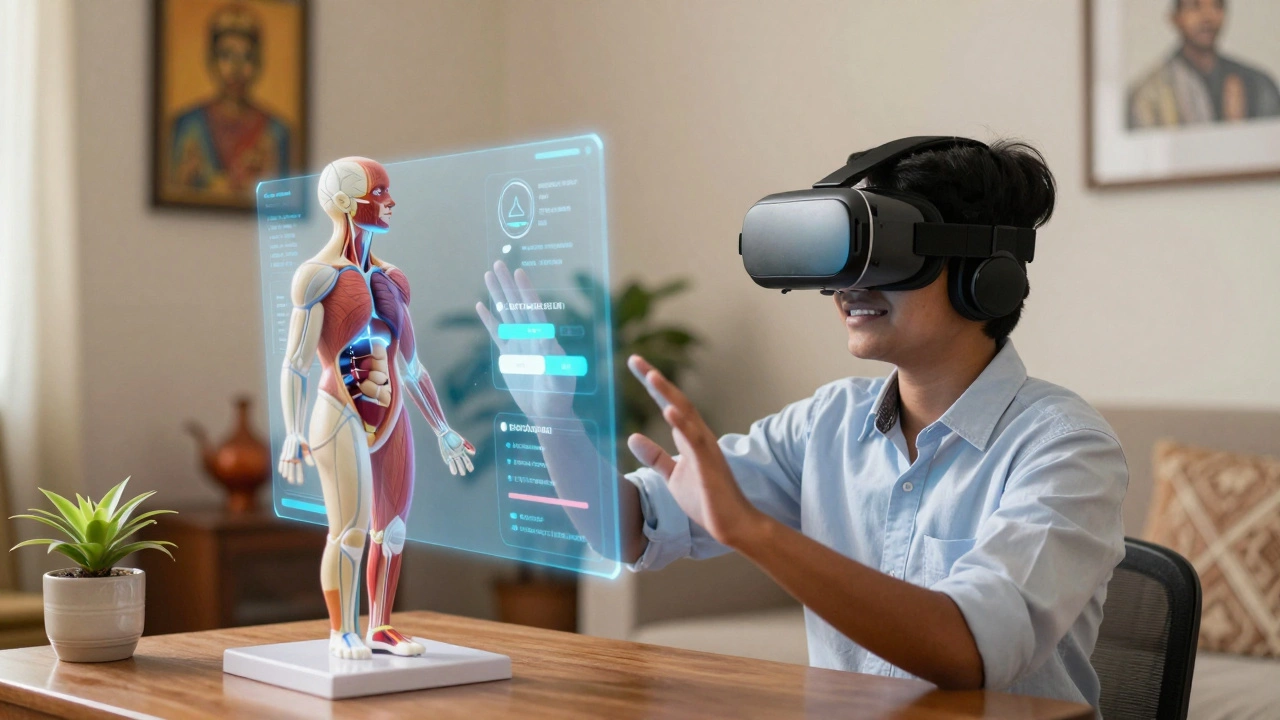
Distance education is not just a temporary fix; it’s a permanent shift in how humanity learns. Emerging technologies are making it even more immersive. Virtual Reality (VR) labs allow medical students to practice procedures safely. Artificial Intelligence tutors provide personalized feedback instantly. Blockchain ensures your credentials are secure and easily verifiable by employers worldwide.
As the workforce becomes more global and remote-friendly, the stigma around online learning continues to fade. Employers care less about where you learned and more about what you can do. Distance education provides the pathway to gain those skills efficiently, affordably, and flexibly.
Is a distance education degree respected by employers?
Yes, as long as the institution is properly accredited. Major employers recognize degrees from reputable universities regardless of whether they were earned online or on-campus. The key is to choose accredited programs from established institutions.
What is the difference between synchronous and asynchronous learning?
Synchronous learning happens in real-time, like live video classes where everyone attends at the same time. Asynchronous learning is self-paced, allowing you to access materials and complete assignments on your own schedule within set deadlines.
Do I need special equipment for online learning?
You need a reliable computer, stable high-speed internet, and a quiet workspace. While tablets and phones can work for reading, a laptop is better for writing essays and taking proctored exams. Good headphones and a webcam are also highly recommended.
How do I stay motivated in a distance learning program?
Create a structured routine, set specific goals for each study session, and engage actively with peers through discussion forums. Joining online study groups or finding an accountability partner can also help maintain momentum and reduce feelings of isolation.
Are online courses cheaper than traditional classes?
Tuition may be similar, but you save significantly on housing, transportation, and campus fees. Digital materials are often less expensive than printed textbooks. Overall, distance education tends to be more cost-effective due to these reduced ancillary expenses.