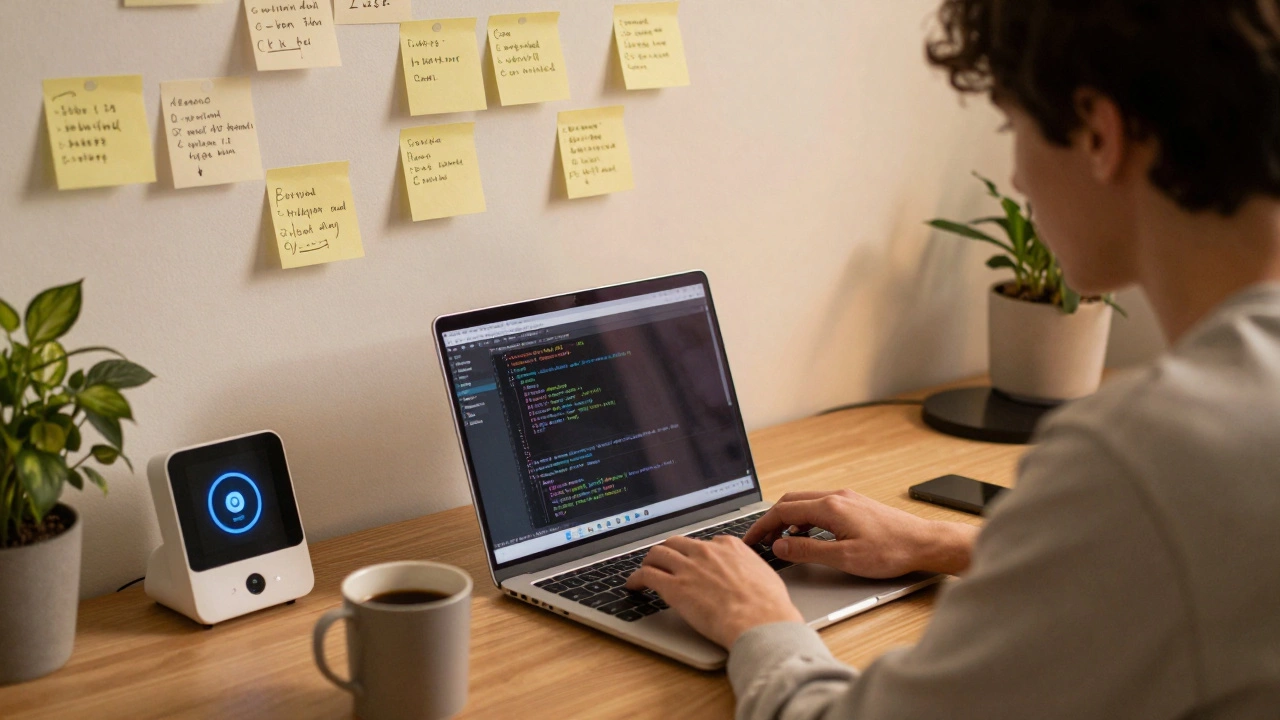
Python Use Case Explorer
Explore Python Applications
Discover how Python powers real-world solutions in different industries. Click on a category below to see concrete examples, statistics, and sample code.
Real-World Impact
Millions of Users
Python powers Instagram and Pinterest serving 500M+ users daily
Time Saved
Marketing teams cut weekly reports from 6 hours to 20 minutes
Sample Code Snippet
# Sample Python Automation Script
import os
import shutil

# Organize downloads folder

downloads = "~/Downloads"

# Create folders
os.makedirs(f'{downloads}/Documents', exist_ok=True)

# Move files
for file in os.listdir(downloads):
    if file.endswith(('.pdf', '.docx')):
        shutil.move(f'{downloads}/{file}', f'{downloads}/Documents/')
Learn More
Python's strength comes from its simplicity and versatility. For beginners, start with small projects that solve real problems:
- Automate file organization with Python
- Track your monthly spending with a budget app
- Build a simple game using Pygame
- Monitor plant moisture with Raspberry Pi
Python isn’t just another programming language. It’s the reason your favorite websites load fast, your phone’s voice assistant understands you, and scientists predict climate patterns. If you’re wondering what Python is actually used for, the answer isn’t a list of buzzwords-it’s real stuff people rely on every day.
Web Development That Powers Big Sites
Python runs behind some of the biggest websites on the internet. Instagram, Pinterest, and Spotify all use Python to handle millions of users at once. How? Through frameworks like Django and Flask. These tools let developers build secure, fast websites without reinventing the wheel. Django, for example, comes with built-in tools for user logins, database management, and content editing. You don’t need to code those from scratch. That’s why startups and big companies alike choose Python for web projects-it saves time and reduces bugs.Data Science and Machine Learning
If you’ve ever seen a recommendation on Netflix or gotten a fraud alert from your bank, Python made that happen. Libraries like Pandas, NumPy, and Scikit-learn let analysts clean messy data, spot patterns, and build models that predict outcomes. Want to know which customers are likely to cancel their subscription? Python can figure that out. Want to detect tumors in medical scans? Python helps with that too. Companies like Airbnb and Uber use Python to analyze user behavior and optimize services. You don’t need a PhD to start. With free online tools and beginner-friendly tutorials, you can train your first model in a weekend.Automation That Saves Hours
Think about the boring tasks you do every day: renaming 50 files, copying data from a PDF into a spreadsheet, sending the same email to 20 people. Python can do all of that automatically. A simple script can scan a folder, rename files based on their content, and move them into the right folders-all in seconds. Businesses use Python to automate reports, back up files, and even fill out online forms. One marketing team in Melbourne cut their weekly reporting time from 6 hours to 20 minutes just by writing a Python script. No coding experience? Start with automating your own files. It’s the easiest way to see Python’s power.Scientific Computing and Research
From space missions to biology labs, Python is the go-to tool for researchers. NASA uses Python to analyze satellite images. Medical researchers use it to model how drugs interact with human cells. Even climate scientists rely on Python to process decades of weather data. Libraries like SciPy and Matplotlib make complex math and data visualization simple. A university student in Sydney used Python to track bird migration patterns using public data-no expensive software needed. Python’s strength here is its openness. Anyone can access the same tools as top labs, for free.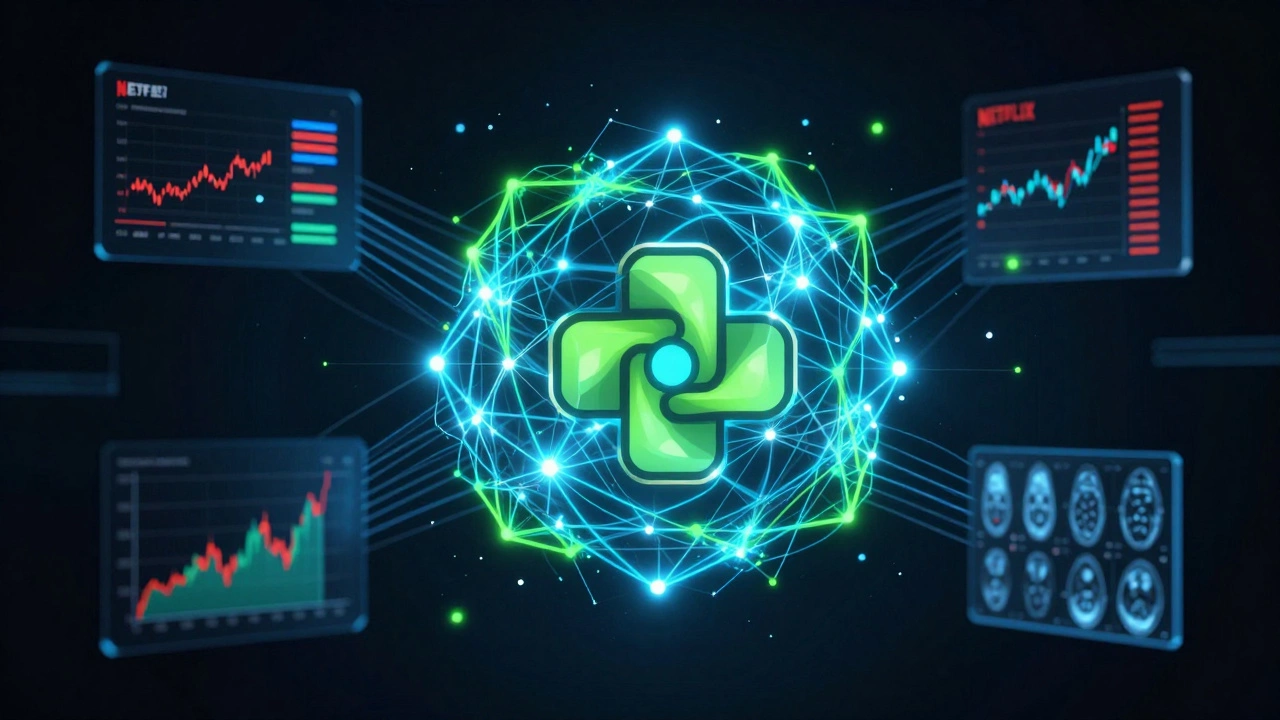
Game Development and Interactive Apps
You might think games are built with C++ or Unity, but Python plays a big role too. Games like Battlefield 2 and EVE Online use Python for scripting AI behavior and managing game logic. For beginners, the Pygame library lets you create simple 2D games-think Snake or Pong-in just a few hours. You don’t need to be a graphics expert. Start by making a game where you control a character with arrow keys. It’s a fun way to learn loops, conditions, and events. Many coding bootcamps in Melbourne use Python games as a first project because it keeps students engaged.Embedded Systems and IoT
Python isn’t just for computers. It runs on small devices like Raspberry Pi and Arduino. Want to build a smart plant monitor that sends you a text when the soil is dry? Python can handle it. You connect a sensor to a Raspberry Pi, write a script to read the data, and set up an alert. Schools in Australia use this to teach kids electronics and coding at the same time. Even smart home systems like home automation hubs use Python to process voice commands or turn lights on based on time of day. It’s lightweight, flexible, and works with cheap hardware.Finance and Trading
Banks, hedge funds, and individual investors use Python to analyze markets and automate trades. It’s not magic-it’s math. Python pulls real-time stock data, calculates moving averages, and tests trading strategies before risking real money. Platforms like QuantConnect and Alpaca let you backtest strategies using Python. A student in Melbourne built a tool that tracks cryptocurrency prices and sends alerts when they drop below a set value. It cost nothing to build and saved him from missing a big sell-off. You don’t need to be a Wall Street analyst to use Python in finance. Start with tracking your own spending or portfolio.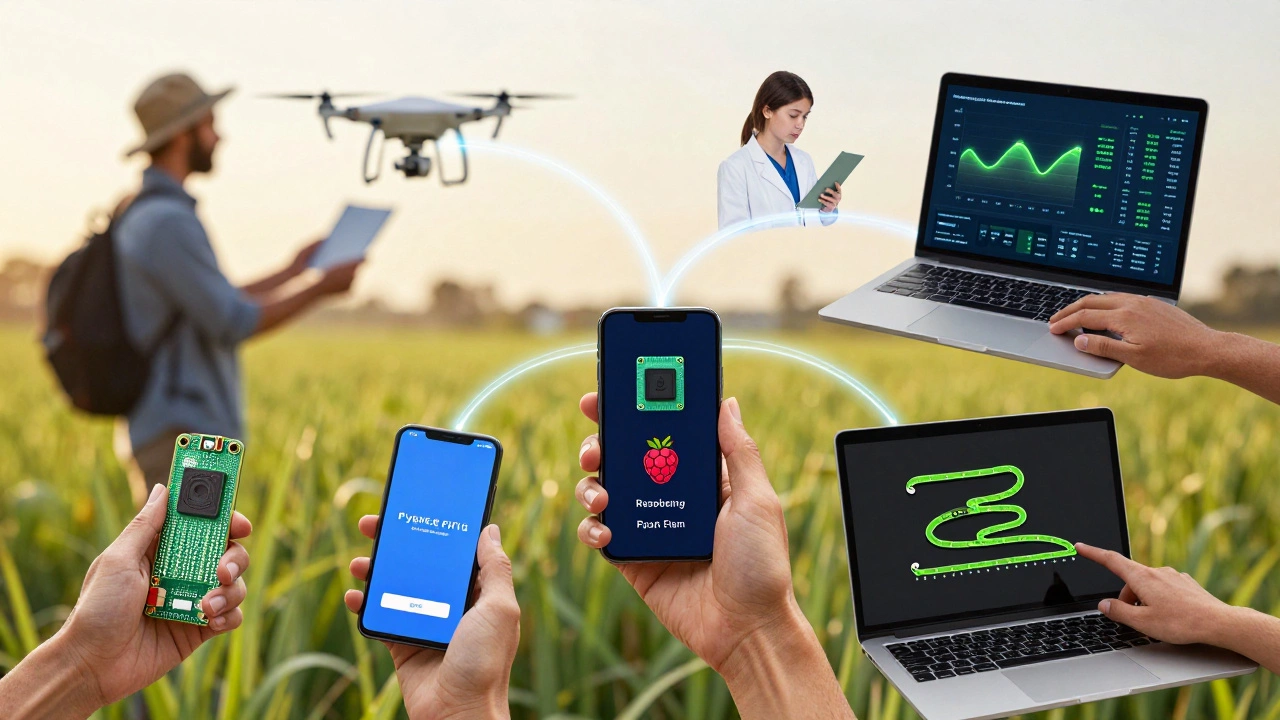
Why Python Is Perfect for Beginners
Unlike other languages, Python reads like plain English. Instead of writing complex symbols and brackets, you write clear lines likeprint("Hello, world!") or if age >= 18: print("You can vote."). That simplicity means you spend less time debugging syntax and more time solving problems. Google, Microsoft, and Apple all use Python internally and recommend it for new developers. Online courses on platforms like Coursera and freeCodeCamp have millions of learners starting with Python because it gets results fast. You can build something useful in your first week-not after six months.
What Python Isn’t Great For
Python isn’t perfect for everything. If you’re building a high-speed mobile game or a real-time operating system, you’ll need something faster like C# or Rust. Python runs slower than those languages because it’s interpreted, not compiled. But for 90% of projects-web apps, data tools, automation scripts-it’s more than fast enough. The trade-off is worth it: you get results quicker, with less code, and fewer errors. Most developers start with Python and switch to other languages only when they hit a real performance wall.Where to Start
If you’ve never coded before, don’t try to learn everything at once. Pick one project that solves a real problem you have:- Automate your photo folder? Use Python to rename and sort files.
- Track your monthly spending? Build a simple budget app with Python and Excel.
- Want to make a game? Try Pygame and build a simple paddle game.
Real Impact, Not Just Theory
Python isn’t taught because it’s trendy. It’s taught because it works. From helping farmers monitor crop health using drones to enabling hospitals to predict patient readmissions, Python is solving real problems. You don’t need to become a software engineer to use it. You just need to start small. The first script you write might not change the world-but it will change how you see what’s possible.Is Python good for beginners?
Yes, Python is one of the easiest programming languages for beginners. Its syntax is simple and reads like regular English. You can write a working program in just a few lines without needing to understand complex rules. Many people start with Python because they can see results fast-like automating a task or building a small game-within days.
Can I get a job with just Python?
Absolutely. Many entry-level jobs in data analysis, web development, automation, and tech support require Python skills. You don’t need to know every framework or tool. Employers look for problem-solving ability and the ability to write clean, working code. A portfolio of 3-5 small projects-like a weather app, a file organizer, or a budget tracker-can get you noticed even without a degree.
How long does it take to learn Python?
You can learn the basics in 2-4 weeks with consistent practice. That means understanding variables, loops, functions, and basic data structures. To become job-ready, most people spend 3-6 months building projects and solving real problems. The key isn’t memorizing syntax-it’s using Python to solve things you care about.
Is Python better than JavaScript or Java?
It depends on what you want to do. JavaScript is the best choice for websites that need interactive features in the browser. Java is common in large enterprise apps and Android development. Python wins for data, automation, and quick prototyping. For beginners, Python is easier to start with. Many developers learn Python first, then add JavaScript or Java later when they need them.
Do I need a computer science degree to use Python?
No. Many successful Python developers have no formal degree. What matters is what you can build. Online courses, coding bootcamps, and free tutorials give you the skills you need. Employers care more about your projects and problem-solving than your diploma. Build something useful, document it, and share it. That’s your resume.