Free Coding Pathway Calculator
Your Learning Pathway
Calculate your timeline to job-ready coding skills using free resources
Your Personalized Plan
Estimated Timeline
Key Resources
Skill Progression
You don’t need to pay thousands of dollars to learn how to code. The idea that coding is only for people with expensive degrees or fancy bootcamps is outdated. Right now, on this very day, someone in a small town in India, Brazil, or right here in Melbourne is building their first website using nothing but a free online course and a laptop they borrowed from a friend. And you can too.
What You Can Actually Learn for Free
Free coding resources aren’t just basic tutorials. They’re full curriculums used by people who now work at Google, Spotify, and startups you’ve never heard of. You can learn HTML, CSS, JavaScript, Python, SQL, and even beginner-level React-all without opening your wallet.
Platforms like freeCodeCamp offer a full-stack web development certification that takes 300+ hours. It’s not a video lecture series with fluff. It’s hands-on. You build 5 projects before you even finish the first module. By the time you’re done, you have a portfolio that looks better than most college graduates’.
Codecademy’s free tier lets you learn Python, JavaScript, and SQL with interactive exercises. No downloads. No installs. Just type code in the browser and see it run. Harvard’s CS50 is available on YouTube for free. It’s the same course taught to undergrads at one of the world’s top universities. People who took it now lead engineering teams at Fortune 500 companies.
Where to Start: A Realistic Path
If you’ve never written a line of code, don’t jump into Python or JavaScript right away. Start with the building blocks.
- Learn HTML-this is the skeleton of every website. You can learn it in 2 days with freeCodeCamp’s HTML course.
- Add CSS-this makes it look good. Learn how to position elements, change colors, and make buttons clickable.
- Then JavaScript-this makes things work. Learn how to make a button change text, validate a form, or show a pop-up.
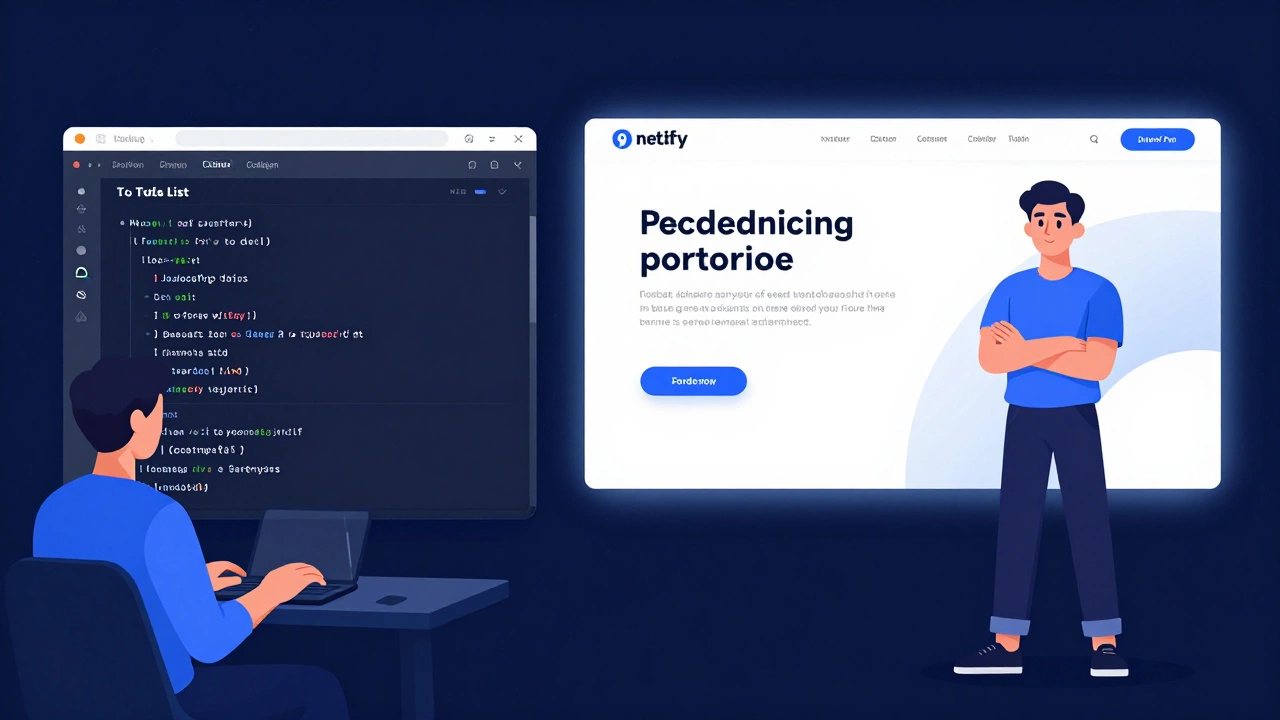
That’s it. That’s the core of front-end development. You don’t need to know every framework. You don’t need to memorize 50 commands. You just need to build something real. A personal portfolio page. A to-do list app. A quiz game.
Once you’ve done that, move to Python. It’s easier to read than JavaScript, and it’s used everywhere-from websites to data analysis to automation. Try Automate the Boring Stuff with Python on YouTube. It’s free. It shows you how to write scripts that rename 100 files in seconds or scrape weather data from a website.
What Free Resources Actually Work
Not all free coding sites are created equal. Some are just video dumps with no structure. Here are the ones that actually deliver results:
- freeCodeCamp-complete curriculum, projects, certifications, and a global community. Used by over 50 million people.
- The Odin Project-focused on full-stack web dev. It’s project-based, open-source, and trusted by hiring managers.
- Khan Academy-great for absolute beginners. Their JavaScript and HTML lessons are clear and slow-paced.
- CS50 by Harvard-on YouTube and edX. The most rigorous free intro to computer science you’ll find.
- W3Schools-not glamorous, but perfect for quick lookups. Need to know how to use a CSS property? Go here.
Don’t waste time switching between 10 different sites. Pick one, stick with it, and finish it. Consistency beats variety every time.
What You Can’t Get for Free (And Why It’s Okay)
Free resources won’t give you a mentor who checks your code every day. They won’t give you job placement. They won’t send you a diploma with a university logo.
But here’s the truth: employers don’t care about your diploma. They care about what you can do. If you’ve built 5 real projects, fixed bugs on GitHub, and can explain how your code works-you’re ahead of 80% of bootcamp grads who paid $15,000 and only built 2.
What you’re missing is structure. That’s why you need to create your own. Set a schedule. Code for 30 minutes every morning before work. Build one small project every week. Join a free Discord server like freeCodeCamp’s. Ask questions. Get feedback.
One person I know in Perth learned to code in 6 months using only free resources. He got his first job as a junior developer at a local agency. He didn’t have a degree. He didn’t have a certificate from a paid course. He had a GitHub profile with 12 projects and a LinkedIn post that said, “I built this in my spare time.”
Common Mistakes People Make
Most people who try to learn coding for free quit within a week. Here’s why:
- They watch too many videos and never code. Watching a tutorial is not learning. Typing it out yourself is.
- They chase the next shiny thing. One day it’s Python, the next day it’s Rust, then they jump to blockchain. Focus on one language until you can build something.
- They wait for perfect conditions. “I’ll start when I have a better computer.” “I’ll start when I have more time.” There’s no perfect time. Start now with what you have.
- They don’t share their work. Coding is a public skill. Put your code on GitHub. Write a short post about what you built. People will help you if you show effort.
The biggest mistake? Thinking you need to be “good at math” or “a genius.” Coding isn’t about being smart. It’s about being persistent. It’s about typing the same line of code 10 times until it works.
How to Stay Motivated
There will be days when you stare at an error message for 2 hours and want to quit. That’s normal. Here’s how to push through:
- Build something you care about. A site for your dog’s birthday. A tracker for your coffee intake. A playlist generator for your road trips.
- Join a free community. Reddit’s r/learnprogramming, freeCodeCamp’s Discord, or local meetups. You’ll find people who’ve been where you are.
- Track progress, not perfection. Did you write 10 lines of code today? That’s a win.
- Revisit your first project after a month. You’ll be shocked at how much you’ve improved.
One of my friends in Melbourne started coding while working night shifts at a convenience store. He used his breaks to code on his phone. In 9 months, he built a simple app that helped local small businesses track inventory. He got hired as a junior developer-not because he had a degree, but because he showed up every day.
What Comes Next?
Once you’ve built a few projects, you’re ready for the next step: applying for jobs. You don’t need a degree. You need a portfolio. Here’s what to do:
- Host your projects on GitHub. Add clear README files explaining what they do.
- Create a simple personal website with your name, projects, and contact info. Use free tools like Netlify or Vercel.
- Apply to junior roles, internships, or remote gigs on platforms like LinkedIn, Indeed, or We Work Remotely.
- Be ready to explain your projects in an interview. Not just what they do, but how you solved problems.
Companies are hiring self-taught coders. They know the best talent doesn’t always come from top universities. They want people who can solve problems, not just recite syntax.
Final Thought
You don’t need money to start coding. You need curiosity. You need 30 minutes a day. You need the willingness to fail-over and over-until something works.
The internet has given you the tools. The only thing left is you.
Can I really learn to code for free and get a job?
Yes. Thousands of people have done it. Employers care more about your projects and problem-solving skills than your resume. Build 5 solid projects, put them on GitHub, and apply for junior roles. Many companies now hire based on portfolios, not degrees.
How long does it take to learn coding for free?
It depends on how much time you put in. If you code 1 hour a day, 5 days a week, you can build your first website in 6-8 weeks. To be job-ready, most people need 4-6 months of consistent practice. The key isn’t speed-it’s consistency.
Which programming language should I learn first?
Start with HTML and CSS if you want to build websites. Then learn JavaScript to make them interactive. If you’re interested in data, automation, or AI, start with Python. Both paths are free and lead to jobs. Don’t overthink it-just pick one and start.
Are free coding courses good enough compared to paid ones?
The content in free courses like freeCodeCamp or CS50 is often better than paid bootcamps. Paid courses usually just add mentorship and job support. You can replicate that for free by joining communities, asking questions, and sharing your work. The learning material itself is just as strong.
Do I need a computer to learn coding?
You need access to a device with internet-any laptop, tablet, or even an older desktop will do. Many platforms like Replit and CodePen let you code directly in your browser. You don’t need a high-end machine to start. Save the upgrades for when you’re building bigger projects.
What if I get stuck and no one helps me?
Search the error message exactly as it appears. Stack Overflow has answers for 95% of beginner errors. If you can’t find it, post on Reddit’s r/learnprogramming or freeCodeCamp’s Discord. People are generally helpful-if you show your code and explain what you tried. Don’t just say “it doesn’t work.” Show them what you did.